
Professional vs Home Dog Grooming: When to DIY

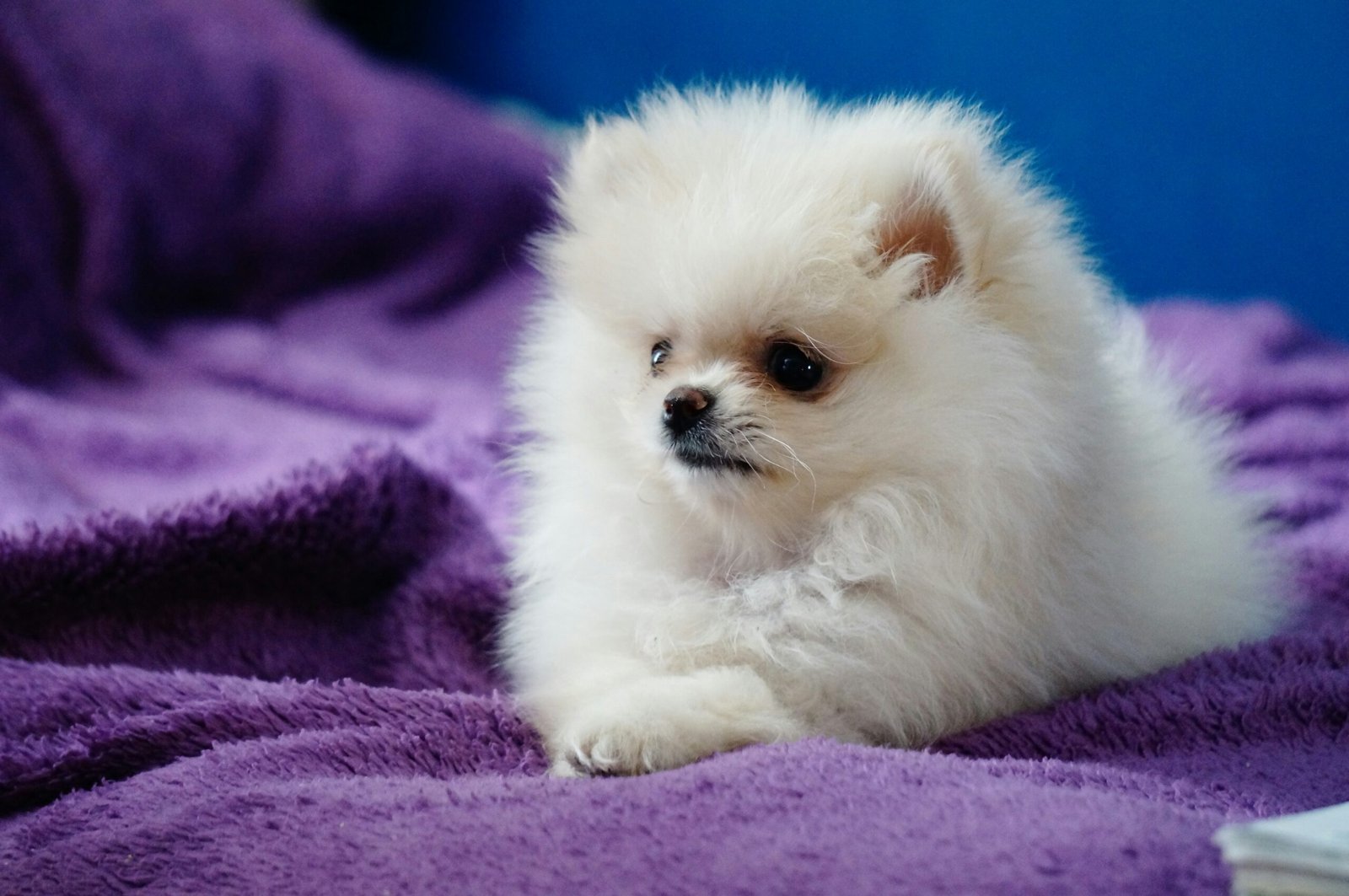
Deciding between professional grooming and DIY dog grooming isn’t just about saving money—it’s about understanding your dog’s specific needs, your skill level, and knowing when professional expertise is essential. This comprehensive guide helps you make the right choice for your furry friend.
Understanding the Basics: What Grooming Actually Involves
Dog grooming encompasses far more than a simple bath. A complete grooming session includes:
- Bathing with appropriate shampoo for coat type
- Brushing and de-matting
- Nail trimming
- Ear cleaning
- Teeth brushing
- Anal gland expression (when needed)
- Haircut or coat trimming
- Eye cleaning
When Home Grooming Makes Sense
Breeds Suited for DIY Grooming
Some breeds are naturally easier to groom at home:
Short-haired breeds like Beagles, Boxers, and Labrador Retrievers require minimal coat maintenance. A good brush, quality shampoo, and nail clippers are often sufficient.
Single-coat breeds without complex trimming needs can typically be managed at home with basic tools and patience.
Cost Savings Add Up
Professional grooming costs $30-$90 per session depending on your location and dog size. For dogs requiring grooming every 6-8 weeks, that’s $240-$720 annually. Initial investment in quality grooming tools ($100-$200) pays for itself within months.
Building Trust and Bonding
Regular grooming sessions at home strengthen your bond with your dog. Many dogs feel more comfortable being handled by their owner in familiar surroundings rather than being left at a grooming salon.
When Professional Grooming Is Essential
Breed-Specific Expertise Required
Certain breeds have specific grooming standards that require professional training:
Poodles and Doodles need precise clipper work and face shaping that takes years to master. Improper grooming can ruin their coat texture.
Terriers require hand-stripping for show-quality coats—a specialized technique rarely performed correctly by amateurs.
Asian breeds like Shih Tzus and Lhasa Apsos have continuously growing coats requiring expert scissor work to avoid matting and maintain proper length.
Medical and Safety Concerns
Professional groomers are trained to identify:
- Skin conditions and parasites
- Lumps and abnormalities
- Ear infections
- Dental disease
- Anal gland issues
They also have insurance and training for handling difficult or aggressive dogs safely.
Severely Matted Coats
Attempting to remove severe matting at home often results in skin cuts, pulled hair, and a traumatized dog. Professional groomers have the tools and expertise to safely remove mats without injury.
Essential Home Grooming Toolkit
If you decide to groom at home, invest in quality tools:
Brushes and Combs:
- Slicker brush for most coat types
- Undercoat rake for double-coated breeds
- Metal comb for checking thoroughness
Bathing Supplies:
- Dog-specific shampoo (never use human shampoo)
- Conditioner for long coats
- Towels and blow dryer
Trimming Tools:
- Nail clippers or grinder
- Blunt-tip scissors for facial trimming
- Thinning shears for blending
- Clippers with multiple guard combs
Cleaning Supplies:
- Ear cleaning solution
- Cotton balls
- Dog toothbrush and toothpaste
Services Best Left to Professionals
Even dedicated DIY groomers should consider professional help for:
Anal gland expression – While technically doable at home, incorrect technique can cause serious injury.
Teeth cleaning – Professional dental cleaning under anesthesia addresses tartar below the gum line that brushing can’t reach.
First haircut for puppies – Professional groomers make the experience positive, setting the tone for future grooming tolerance.
Creating a Hybrid Approach
Many dog owners find success with a hybrid model:
- Professional grooming every 8-12 weeks for complete haircuts
- Home maintenance between appointments for bathing, brushing, and nail trimming
- Professional intervention when specific issues arise (matting, anal glands, etc.)
This approach provides cost savings while ensuring expert care when needed.
Time Investment Reality Check
Home grooming isn’t quick. Expect to spend:
- Small dogs (under 20 lbs): 1-2 hours
- Medium dogs (20-50 lbs): 2-3 hours
- Large dogs (50+ lbs): 3-4 hours
This doesn’t include drying time for thick coats, which can add another 1-2 hours.
Signs You Should Switch to Professional Grooming
Consider professional grooming if you notice:
- Your dog becomes extremely stressed or aggressive during home grooming
- You’re consistently leaving sessions incomplete
- Your dog’s coat quality is deteriorating
- You’ve accidentally cut your dog with clippers or scissors
- Grooming sessions take so long you avoid them
The Bottom Line
The right choice depends on your individual situation. Home grooming works beautifully for short-coated, cooperative dogs with owners who enjoy the process and have time to learn proper techniques. Professional grooming is essential for specific breeds, difficult temperaments, or when owners lack time or interest in developing grooming skills.
Many owners find the hybrid approach offers the best of both worlds—professional expertise when needed combined with regular home maintenance that strengthens the bond with their dog while managing costs.